When Kids Need Dental Emergency Care in Plano TX
Few things unsettle a parent faster than seeing a child hold their face, cry through a mouthful of blood, or wake up in the middle of the night with tooth pain that did not exist at dinner. Pediatric dental emergencies have a way of feeling bigger than they are, partly because children struggle to explain what hurts, and partly because the mouth can bleed dramatically even when the injury is manageable. The challenge is knowing when to stay calm, what to do in the first ten minutes, and when a situation truly needs urgent treatment.
In a place like Plano, where kids are busy with playgrounds, sports, bike rides, and after-school schedules, dental injuries and sudden pain are not rare. Some emergencies are obvious, such as a knocked-out tooth after a fall. Others are less dramatic but just as important, like swelling from an infection or a cracked molar that starts to throb over a weekend. Parents searching for Dental Emergency Plano TX care are usually not looking for general advice. They need clear judgment, fast.
The first principle is simple. Not every dental problem is an emergency, but some absolutely should not wait. Timing matters because a child’s discomfort can escalate quickly, and in a few situations, early care can make the difference between saving a tooth and losing it.
What counts as a real dental emergency for a child
Parents often ask whether they are overreacting. Usually, they are not. If a child is in significant pain, has visible trauma, bleeding that does not stop, swelling, or trouble eating and speaking because of a tooth injury, that deserves prompt attention. The goal of emergency care is not only pain relief. It is also to protect the developing mouth, prevent infection, and preserve function.
A chipped baby tooth may not sound urgent at first, yet the context matters. If the chip is tiny and your child is comfortable, it may wait for a prompt office visit. If the fracture exposes the nerve, leaves a sharp edge cutting the lip, or follows a hard blow to the mouth, it moves into emergency territory. The same goes for loose or displaced teeth, especially if the bite suddenly feels “off” or the tooth appears pushed up, back, or sideways.
Toothaches deserve more respect than they often get. A child with a dull ache after eating sweets is different from a child who cannot sleep, refuses to chew, or has swelling along the gum or jaw. In younger kids, severe pain can look like clinginess, irritability, fever, or refusal to let anyone near the face. Children do not always say, “My molar hurts.” They may just stop eating on one side.
Infections deserve particular caution. Dental infections can spread beyond the tooth and gum. A puffy cheek, a bad taste in the mouth with drainage, or swelling that worsens over hours should not be watched casually at home. If swelling affects breathing, swallowing, or the ability to fully open the mouth, that is more than a dental inconvenience. It needs urgent medical attention right away.
The emergencies that should move you fastest
Some situations call for same-day dental care without much debate. Others may even justify heading straight to an emergency room if breathing or facial swelling is involved. Knowing the difference helps you act quickly without panicking.
Here are the scenarios that usually deserve immediate or very prompt evaluation:
- A permanent tooth is knocked out completely.
- Bleeding from the mouth continues after direct pressure for about 10 to 15 minutes.
- Facial swelling is increasing, especially with fever or difficulty swallowing.
- A tooth is broken badly enough to expose the inner yellow or pink tissue, or the child has severe pain.
- A tooth has shifted position after trauma and the child cannot bite normally.
A knocked-out permanent tooth is one of the few true time-sensitive dental injuries where minutes matter. If the tooth is clean enough to identify, handle it only by the crown, not the root. If possible, rinse it briefly with water if it is dirty, then either place it back in the socket if the child is old enough to cooperate, or store it in milk and head for emergency dental care immediately. A baby tooth should not be reinserted, because doing so can injure the developing permanent tooth underneath.
That distinction between baby and permanent teeth creates a lot of confusion. Most children begin losing baby teeth around age 6, but timing varies. If you are not sure whether the tooth is permanent, bring it with you and call a dentist while you are on the way.
Why baby teeth still matter in an emergency
Parents sometimes assume that because baby teeth eventually fall out, an injury or infection can wait. That can be an expensive mistake, and more importantly, a painful one for the child. Baby teeth help children chew, speak clearly, and maintain the space needed for adult teeth to erupt in the right position. They also sit close to the developing permanent teeth beneath them.
A severely injured or infected baby tooth can affect more than the tooth itself. It can damage surrounding bone and gum tissue, disturb normal eating, and in some cases influence the permanent tooth that is forming below. I have seen situations where a child took a hard hit to the front teeth, seemed fine by bedtime, and woke up the next day with darkening teeth and gum tenderness. Trauma can evolve over time. The first look is not always the final story.
That is why follow-up matters even after the tears stop. A tooth that appears intact may later loosen, discolor, or develop sensitivity. Children often bounce back emotionally faster than adults, which is helpful, but it can also make parents think the danger has passed. Sometimes it has. Sometimes the real problem shows up 24 to 72 hours later.
What to do in the first few minutes at home
Good first aid can reduce pain and improve the outcome before you ever reach the dental office. The trick is keeping it simple. Parents tend to either do too little because they freeze, or too much because they are trying to solve the whole problem at home.
For most mouth injuries, gently rinse with clean water and use a clean cloth or gauze to apply pressure if there is bleeding. A cold compress on the outside of the face can help with swelling and discomfort. If your child will tolerate it, keep them upright rather than lying flat. That reduces throbbing and makes it easier to monitor swelling or bleeding.
Avoid aspirin placed directly on the gums. It does not fix the toothache and can irritate soft tissue. Be cautious with home remedies pulled from social media. Clove oil, peroxide rinses, and random temporary cements have their place in some adult situations, but with children, especially younger ones, improvised treatment often creates more confusion than relief.
This short guide covers the most useful immediate steps:
- Rinse the mouth gently with water and look for obvious debris, bleeding, or a broken tooth.
- Apply firm but gentle pressure with clean gauze or cloth if bleeding continues.
- Use a cold compress on the cheek in 10-minute intervals.
- Save any broken tooth fragments or a knocked-out permanent tooth and bring them with you.
- Call a dental office right away and describe the child’s age, symptoms, and how the injury happened.
That last step matters. The details help the team judge urgency. “My son chipped a tooth” is less useful than “My 8-year-old fell from a scooter an hour ago, part of the upper front tooth broke, the lip is swollen, and he says cold water hurts.” The more specific the description, the better the instructions you will get.
Sports, playgrounds, and the injuries Plano parents see most often
Community life shapes the kinds of emergencies local practices tend to see. In a family-centered city like Plano, active children often show up with dental injuries tied to movement and momentum. Basketball elbows, baseballs, trampoline collisions, scooter falls, monkey bars, and swimming pool slips all create the same basic problem, a fast force to the mouth.
Front teeth are common victims because they take the first impact. That can mean a simple enamel chip, a fracture extending deeper into the tooth, or a tooth that gets pushed inward. Lips and gums are often cut in the process, which makes the scene look worse because oral tissues bleed freely. A small laceration can leave a towel looking dramatic in seconds.
Teen athletes bring another pattern. They may downplay pain because they do not want to miss the next game. A 14-year-old with a cracked molar after catching a knee during practice may insist it is “fine,” then develop sharp pain every time they bite by evening. Delayed treatment in those cases can turn a repairable injury into a more complicated one. This is one reason custom mouthguards matter, particularly in contact sports and activities with fall risk. Store-bought guards help, but a properly fitted guard generally stays in place better and offers more reliable protection.
Toothaches that come out of nowhere
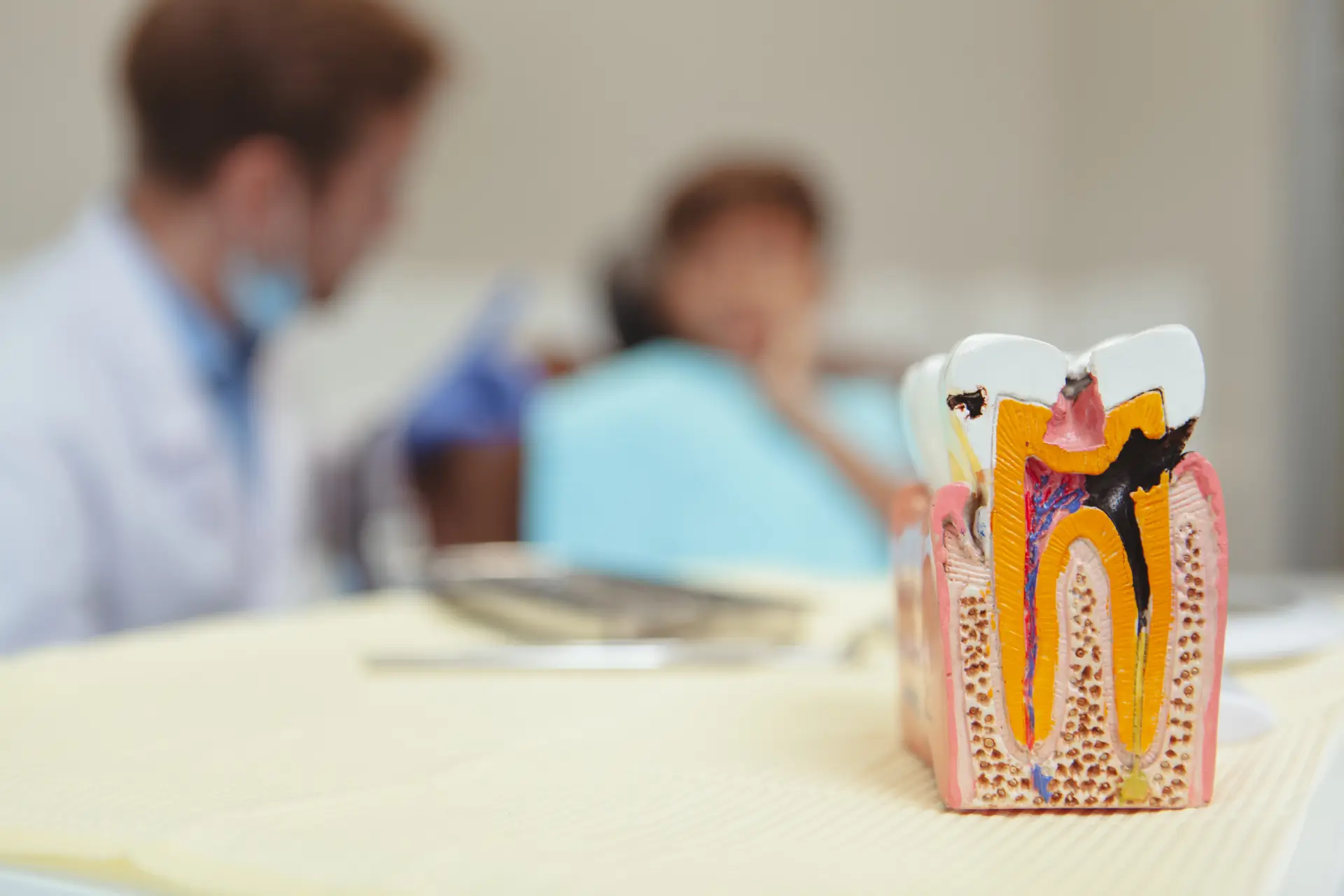
Not every pediatric dental emergency starts with an accident. Some begin as a quiet cavity, a loose filling, or a spot between teeth that no one could see without X-rays. Children can go from normal to miserable quickly once the tooth’s nerve becomes inflamed or infected.
Nighttime pain is a clue parents should take seriously. When a child lies down, blood flow patterns and pressure can make a dental ache feel stronger. If your child repeatedly wakes with tooth pain, points to the same area, or avoids hot or cold drinks, that deserves attention. If there is visible swelling on the gum, an unpleasant odor, or a pimple-like bump near the tooth, infection becomes more likely.
Sometimes the source is not decay at all. Food wedged between teeth can cause intense localized pain in children, especially between tight back molars. A popcorn hull under the gum can create surprising inflammation. Orthodontic appliances can also contribute. A bent wire, loose bracket, or appliance pressing into the cheek can feel like an emergency to a child even if the tooth itself is healthy. Those situations may not be dangerous, but they are still urgent from a comfort standpoint.
Judgment matters here. Severe pain without swelling still deserves prompt care. Swelling without severe pain also deserves prompt care. Parents sometimes wait because the child is stoic. The mouth does not always give dramatic warning before a problem worsens.
When emergency dental care is better than the ER, and when the ER is the right choice
A hospital emergency room is essential for breathing problems, major facial trauma, uncontrolled bleeding, suspected jaw fracture, or rapidly spreading swelling with fever and systemic symptoms. But many dental issues are handled more efficiently by a dentist equipped to diagnose and treat the tooth itself.
That distinction saves time and frustration. Emergency departments can help with pain control, antibiotics when appropriate, and medical stabilization, but they often cannot provide definitive dental treatment such as repositioning a displaced tooth, treating a fractured tooth, or draining a dental abscess through the tooth when needed. For many families in need of Dental Emergency Plano TX options, the ideal path is to contact a dental office first unless the child has medical red flags that clearly point to the hospital.
If a child cannot breathe comfortably, is drooling because swallowing hurts, appears unusually sleepy or ill, or has facial swelling extending toward the eye, skip the debate and seek immediate medical care. Those are not wait-and-see symptoms.
What treatment may look like once you arrive
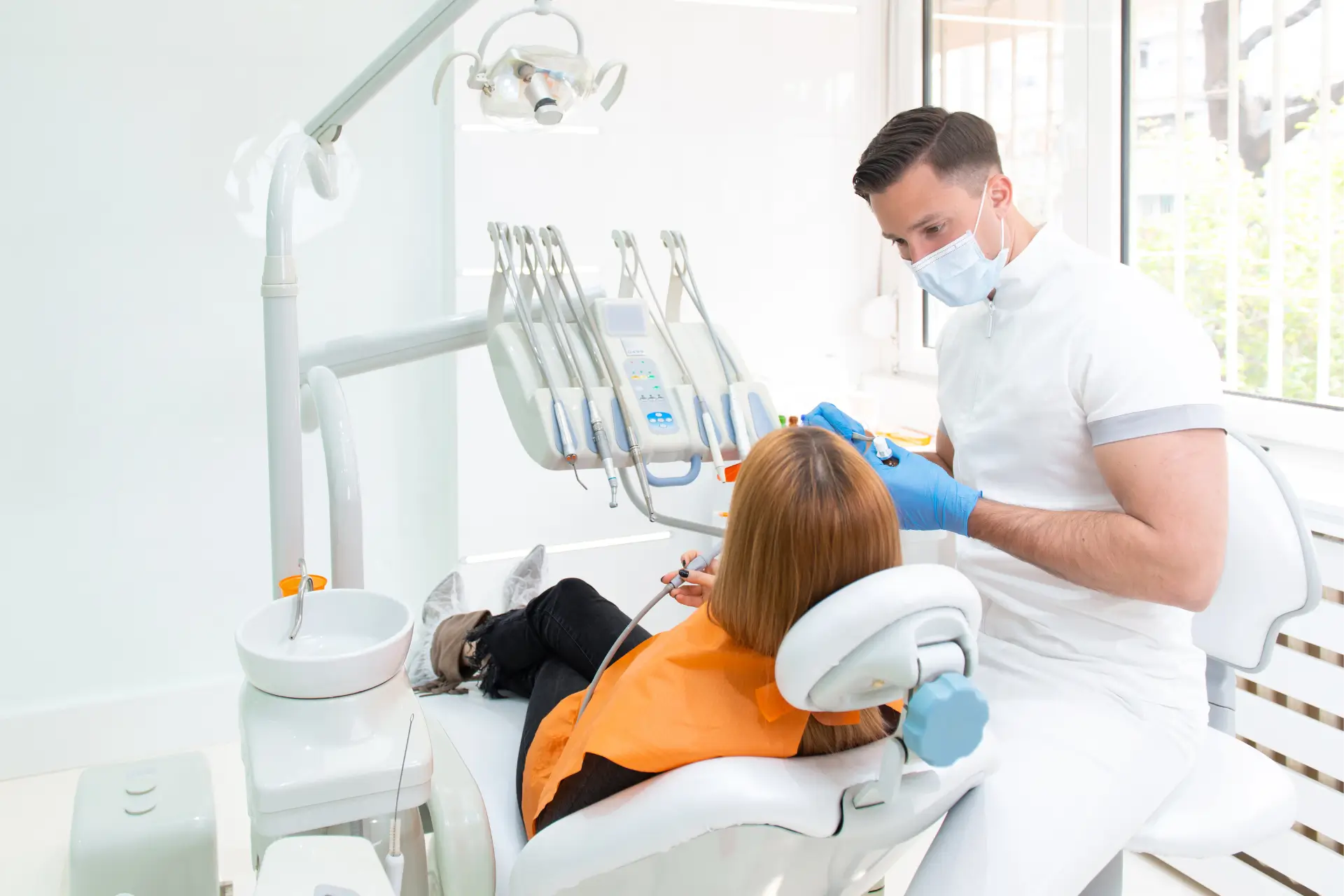
Parents often fear that emergency treatment will be aggressive or traumatic. In pediatric care, the best emergency visits are usually calm, efficient, and focused. The first priorities are controlling pain, checking for soft tissue injury, identifying whether the tooth is baby or permanent, and taking any necessary X-rays. From there, treatment depends on the problem.
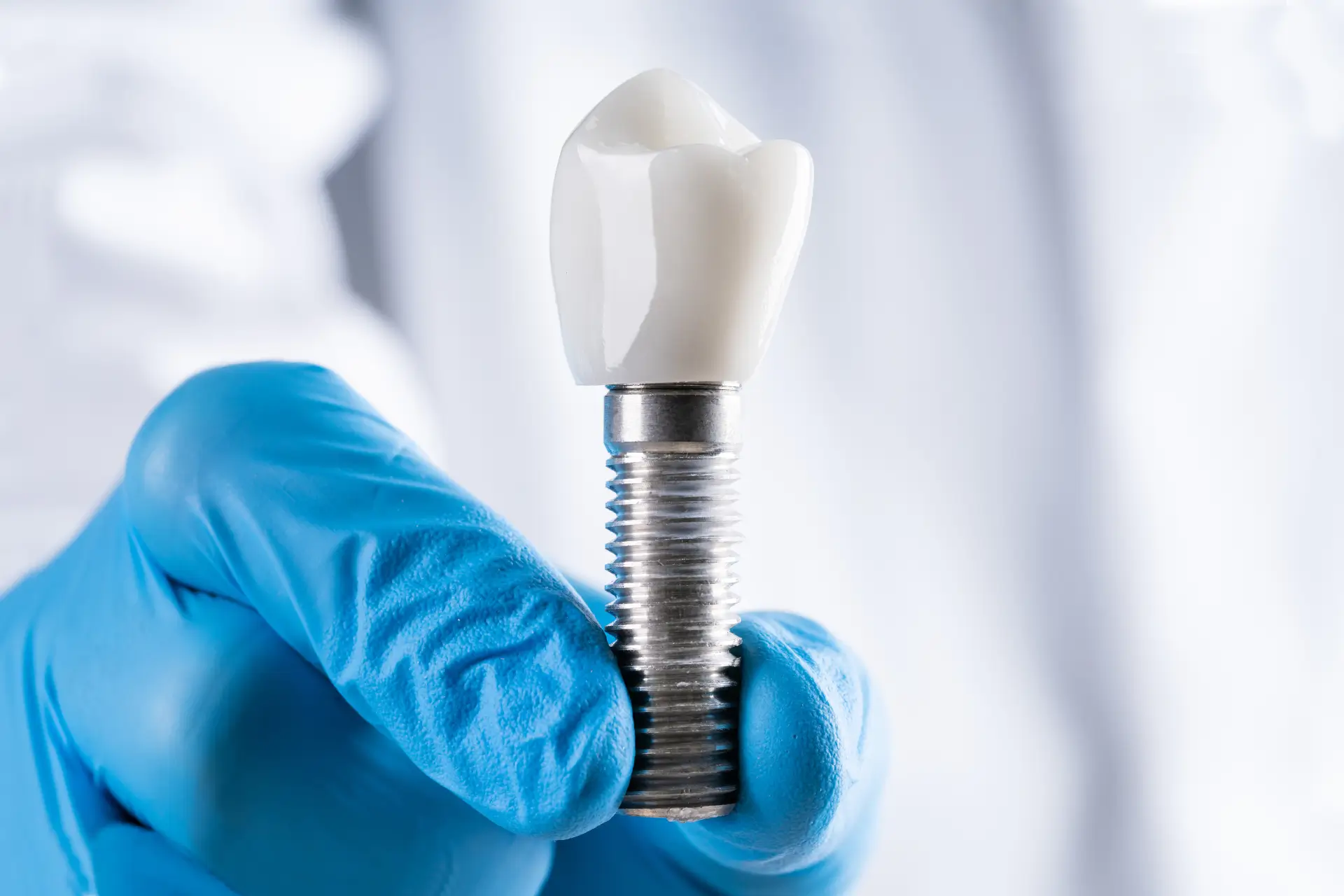
A small chip may only need smoothing or a bonded repair. A deeper fracture might require a protective covering over the exposed area, a more involved restoration, or monitoring if the tooth was also jarred. A loose or displaced permanent tooth may be repositioned and stabilized. An abscessed tooth may need drainage, pulp therapy, extraction, or a plan for very prompt follow-up. Pain management is part of the visit, but the real goal is to remove the cause of the pain whenever possible.
With younger children, cooperation affects the pace. A frightened 4-year-old with a swollen cheek needs a different approach than a calm 11-year-old with a broken incisor. Experienced https://pastelink.net/ojfbclye pediatric teams know that emergency care is part clinical skill and part child management. Tone of voice, pace, and plain-language explanations matter more than parents sometimes realize.
The practical side parents rarely think about until the crisis hits
Dental emergencies are easier to manage when you have a plan before you need one. That does not mean rehearsing worst-case scenarios. It means knowing which local dental offices offer same-day emergency care, what your insurance covers, and where your child’s most recent dental records are kept.
It also helps to keep a few basics at home. Clean gauze, a small container with a lid, children’s pain medication used according to your pediatrician’s guidance, and the phone number of your family dentist can save precious time. Parents of active kids, especially those in organized sports, may want to add a simple dental first-aid kit to the car or sports bag. Even something as ordinary as having milk available can help preserve a knocked-out permanent tooth during the drive.
A detail that matters more than people expect is transportation. If your child is in pain, bleeding, or scared, one adult driving while another sits beside the child can make the trip safer and calmer. Solo parents do this every day, of course, but if help is available, use it.
Prevention does not eliminate emergencies, but it changes the odds
No parent can childproof every playground or predict every collision. Even so, many dental emergencies are either preventable or less severe with the right habits. Regular dental exams catch decay before it becomes a midnight toothache. Mouthguards reduce sports injuries. Helmets lower the odds of facial trauma in biking and similar activities. Seat belts, car seats, and simple household safety also matter more than people think. A surprising number of dental injuries happen at home, often from slips in bathrooms, rough play, or climbing on furniture.
Diet plays a quieter role. Frequent sipping on sugary drinks, sticky snacks that cling to molars, and inconsistent brushing create the kind of cavities that later erupt as weekend pain and swelling. Prevention is not glamorous, but it is usually cheaper, easier, and far less stressful than emergency treatment.
Still, even diligent families end up needing urgent care sometimes. Kids are kids. They run, tumble, experiment, and occasionally miss the obvious edge of a coffee table. Good parenting does not prevent every accident. It shows up in how quickly and sensibly you respond when one happens.
How to stay calm when your child is not
Children read adult reactions with startling accuracy. If you sound panicked, many children will assume the situation is terrifying. If you become too casual, they may feel dismissed. The middle ground works best. Speak clearly, move steadily, and tell them what you are doing in simple terms. “I’m going to help the bleeding stop.” “We’re putting your tooth piece in this container.” “The dentist is ready to see you.”
It helps to avoid making promises you cannot guarantee, such as “It won’t hurt at all.” Better to say, “We’re going to get help so this can feel better soon.” That is honest, and children usually respond well to honesty delivered calmly.
Older kids and teens benefit from a little more detail. If a permanent tooth is knocked out, for example, many are capable of helping preserve it properly if you explain what matters. Younger children usually just need reassurance, physical comfort, and a parent who acts like there is a plan.
When families search for help with a Dental Emergency Plano TX situation, what they often need most is not only treatment, but confidence. Confidence that they recognized the signs. Confidence that they did the right things first. Confidence that a painful, messy, stressful moment can still be handled well.
And usually, it can. Most pediatric dental emergencies are treatable. The keys are prompt attention, sensible first aid, and knowing when a child’s pain, swelling, or injury has crossed the line from inconvenient to urgent. That judgment, made in real time, protects more than teeth. It protects comfort, health, and a child’s trust that when something scary happens, the adults around them know what to do.
Vitality Dental
Address: 1220 Coit Rd #106, Plano, TX 75075
Phone number: +19726454100
FAQ About Dental Emergency Plano TX
What can the ER do for a tooth?
An emergency room (ER) can manage pain and treat severe infections with medication, but it cannot fix or pull a tooth.
What is considered a dental emergency?
A dental emergency is any oral health problem that involves severe pain, uncontrollable bleeding, or an infection that threatens your health or requires immediate care to save a tooth.
Is there a 24-hour dental service in Plano, TX?
There is no physical dental clinic in Plano, Texas, that stays open with walk-in staff 24 hours a day, but several offices offer 24/7 phone support, late-night hours, or same-day emergency care.