Understanding the Everyday Role of a General Dentist
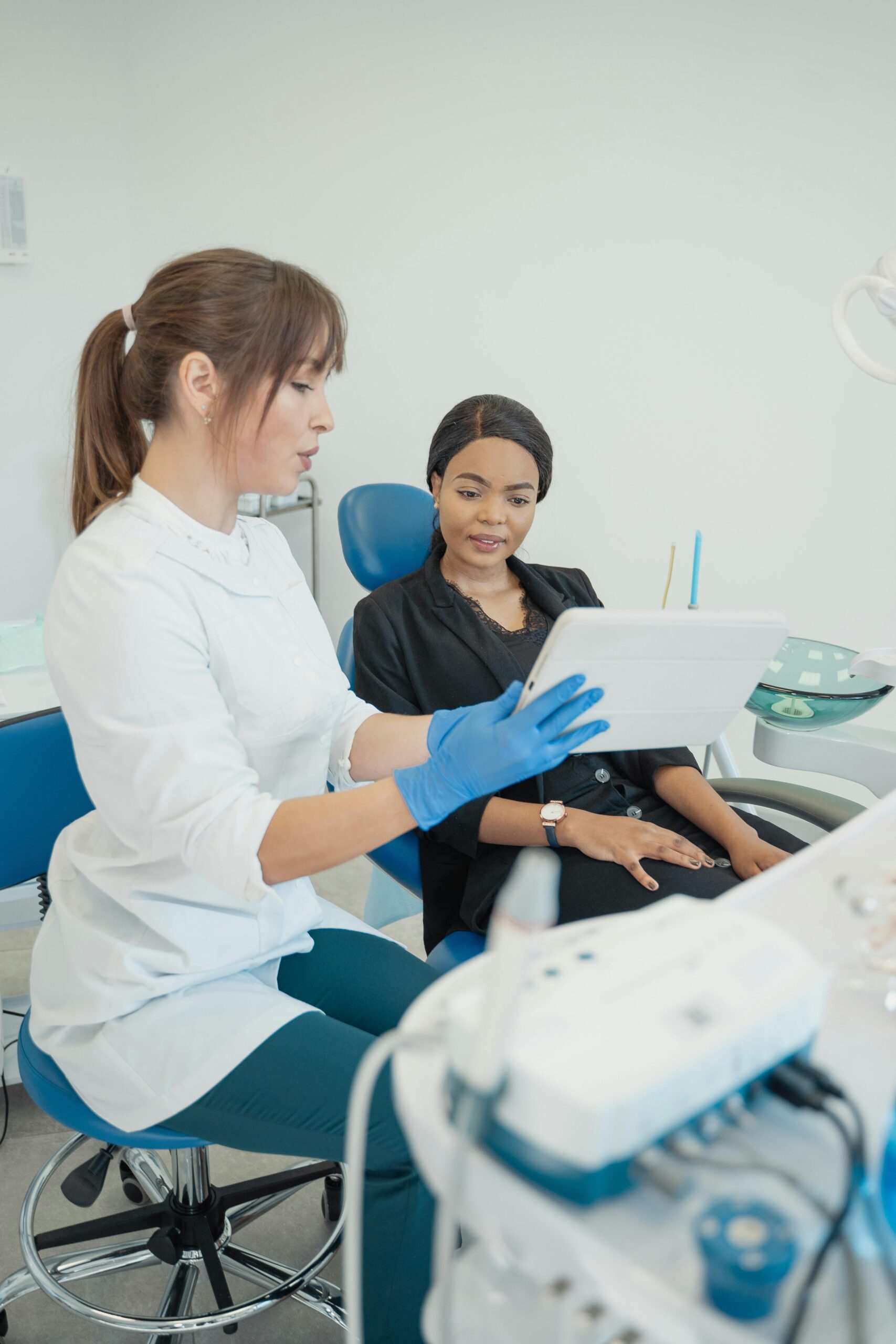
Most people do not spend much time thinking about dentistry when nothing hurts. That is part of the point. A well-run dental routine is quiet, preventive, and easy to take for granted. Yet behind that ordinary experience is a clinician balancing diagnosis, prevention, repair, patient education, risk management, and long-term planning, often all within a single appointment. The everyday role of a general dentist is broader and more nuanced than many patients realize.
A general dentist is usually the first dental professional a person sees, and often the one they stay with for years. That continuity matters. Teeth and gums change slowly, habits shift, old fillings age, bite forces evolve, medications dry the mouth, stress shows up as clenching, and health events elsewhere in the body can alter what is happening in the mouth. A general dentist is the professional keeping track of that moving picture. Some days the work is straightforward, like catching a small cavity before it becomes a root canal. Other days it involves sorting through vague pain, coordinating with a specialist, calming a nervous patient, or deciding that the best treatment is no treatment yet.
The general dentist as a primary care clinician for the mouth
People sometimes imagine dentistry as a trade built around drilling and filling. That view misses the clinical judgment at the center of the profession. A general dentist is, in many ways, a primary care provider for oral health. The role begins with assessment. During an exam, the dentist is not just looking for holes in teeth. They are reading soft tissue, gum health, bite patterns, wear facets, old restorations, plaque accumulation, bone support, jaw function, saliva quality, and signs that point beyond the mouth itself.
An experienced clinician notices details that do not announce themselves loudly. A hairline fracture may present as a sharp twinge only when biting on one side. Reflux can show up as smooth enamel erosion on the inner surfaces of upper teeth. A mouth that looks unusually dry may explain a sudden rise in cavities in a patient who had few problems for decades. A swollen, bleeding gumline might reflect local plaque buildup, but it can also be worsened by hormones, certain medications, or uncontrolled blood sugar. The skill is not only spotting the finding, but placing it in context.
That context often comes from continuity. A general dentist who has seen a patient for five or ten years can compare subtle changes over time. A molar that looked stable two years ago may now have a failing margin on a large filling. A teenager with crowded lower front teeth may become an adult with heavy tartar buildup in the same area because cleaning there is difficult. A patient who once tolerated routine care comfortably may suddenly become anxious after a painful emergency elsewhere. These are not isolated events. They are part of a long relationship in which the dentist acts as both clinician and steward.
Prevention is the work most people never notice
The most valuable dental work often leaves no dramatic story behind. It is the filling avoided, the gum disease slowed, the cracked tooth caught before it splits, the oral cancer concern identified early enough for prompt referral. Prevention sounds modest, but in practice it demands disciplined attention.
A general dentist spends a great deal of time managing risk. That can mean recommending fluoride for a patient with dry mouth, adjusting cleaning intervals for someone prone to tartar buildup, sealing grooves in a child’s permanent molars, replacing a leaking filling before decay spreads deeper, or coaching a patient through better home care in a way that is realistic rather than idealized. Advising someone to floss more is easy. Figuring out whether they would do better with interdental brushes, a water flosser, a powered toothbrush, or shorter intervals between cleanings is where experience shows.
Consider two adults with similar small cavities on X-rays. One may be a good candidate for close monitoring because their diet is stable, home care is excellent, and the lesion is not progressing. The other may need prompt treatment because they are developing several new lesions at once, their mouth is dry from medication, and prior areas of early decay have advanced quickly. The radiograph may look similar. The management plan should not.
This is also where patient communication matters. Preventive care only works when people understand what is happening and why. The best general dentists translate clinical findings into practical language. Instead of saying, “You have generalized recession and cervical abrasion,” they might explain that the gums are pulling back in certain spots and the teeth are being scrubbed too hard near the gumline. That explanation changes behavior. Jargon rarely does.
Restorative care is part science, part craftsmanship
When prevention is not enough, the general dentist restores form and function. Fillings, crowns, bonding, dentures, simple extractions, and replacement of worn or failing dental work all fall into the everyday rhythm of general practice. None of these procedures is merely technical. Each one carries decisions about timing, material, longevity, appearance, bite, budget, and how much healthy tooth structure to preserve.
Take a common situation: a patient arrives with an old silver filling and a new fracture line through the remaining tooth. One dentist may recommend a crown because the tooth has lost enough structure that another large filling is likely to fail. Another may attempt a bonded restoration if the crack is limited and enough enamel remains. Neither choice is automatically right in all cases. A general dentist weighs the size of the defect, the patient’s bite force, whether they grind their teeth, how much tooth can be conserved, and what the patient can manage financially.
This balancing act comes up constantly. A large cavity near the nerve may be treatable with a filling, but the dentist has to prepare the patient for the possibility that symptoms could later require root canal treatment. A front tooth chip may be repaired beautifully with bonding, but the dentist should also discuss that edge bonding can stain or chip over time, especially if the patient bites pens or clenches. Good dentistry is not promising perfection. It is helping patients understand likely outcomes and making sound choices anyway.
Craftsmanship matters more than people realize. A filling that is slightly high can make chewing feel strange and trigger sensitivity. A crown margin that traps plaque can irritate the gum. A denture that looks acceptable in the hand may fail in the mouth if the bite is unstable. General dentists work in millimeters, often fractions of millimeters, in a small, wet, moving field, with a patient who may be nervous and unable to open widely for long. The routine nature of the work should not obscure its precision.
Gum health sits at the center of oral health
Patients often focus on teeth because teeth are visible and tangible. Yet much of a general dentist’s daily work involves the supporting structures around them. If the gums are inflamed or the bone support is shrinking, even beautifully restored teeth face a poorer future. This is why routine examinations and hygiene visits are not cosmetic maintenance. They are surveillance and intervention.
Early gum disease can be quiet. There may be a little bleeding when brushing, some bad breath, perhaps nothing the patient considers urgent. Left alone, inflammation can deepen pockets around the teeth and gradually reduce support. Not every patient with gingivitis develops serious periodontitis, but enough do that close attention matters. A general dentist assesses not just whether the gums bleed, but where, how deeply pockets measure, whether recession is progressing, and what pattern of bone loss appears on X-rays.
The treatment side is equally individualized. Some patients improve with better home care and regular cleanings. Others need deeper periodontal therapy, shorter recall intervals, or referral to a periodontist. The dentist’s role is often part diagnostician, part coach. They may need to explain that bleeding is not normal, even if it has felt normal for years. They may also need to be tactful. Gum disease is influenced by hygiene, yes, but also by smoking, stress, genetics, diabetes, crowded teeth, and restorative contours that are hard to clean. Blame is not useful. Clarity is.
A practical example shows how ordinary this can be. A patient in their forties comes in every year, https://codymzvk486.scriblorax.com/posts/how-a-general-dentist-helps-you-stay-ahead-of-oral-problems not every six months, because life is busy and nothing hurts. Over several visits, the dentist notes increasing tartar on the lower front teeth, deeper pockets on the back molars, and bleeding that takes longer to resolve. This is not a dramatic emergency, yet it is exactly the kind of pattern a general dentist is trained to interrupt before tooth mobility and more complex treatment enter the picture.
Diagnosis often happens before treatment is even discussed
One of the least visible parts of a general dentist’s day is diagnosis. Tooth pain is not always what it seems. A patient may point to an upper molar when the true cause is sinus pressure. Another may swear the lower right side hurts when the actual problem is a cracked upper tooth. Jaw soreness can be muscular, joint-related, or dental, and each path leads to different treatment.
This is where experience becomes hard to replace. General dentists build a mental library of patterns. Cold sensitivity that lingers after the stimulus is removed means something different from a brief zing. Pain on release of biting points toward one category of problem, pain to percussion toward another. A broken cusp can hide under an old filling. A dead nerve may produce surprisingly little pain until infection develops. The dentist uses history, imaging, percussion, palpation, bite tests, thermal tests, and plain observation to narrow the possibilities.
Sometimes the most responsible answer is uncertainty paired with a careful plan. It is better to tell a patient, “This may be the tooth, but I want to monitor for a short time or take one more image,” than to rush into irreversible treatment on the wrong target. That restraint is part of the everyday role too. A thoughtful general dentist knows when to act decisively and when to gather more information.
The job includes fear management, not just mouth management
Dental anxiety is common, and it changes the texture of care. Some patients fear needles. Others fear loss of control, shame about the condition of their teeth, bad memories from childhood, or simply the sounds and sensations of treatment. A capable general dentist works on two levels at once: the clinical procedure and the patient’s nervous system.
This can be as simple as pacing the appointment differently, explaining what will happen before each step, allowing breaks, and avoiding surprises. It may involve using topical anesthetic carefully, checking numbness before starting, or arranging shorter visits for someone who tires easily. For certain patients, sedation options or referral may be the safest and kindest route. The key is that emotional management is not separate from treatment quality. It affects whether patients return, whether they delay care until problems worsen, and whether they can tolerate the work needed to restore health.
Anyone who has spent time in a busy practice has seen this. The technically difficult crown prep on a calm patient may go smoothly in less time than a simple filling on someone who is frightened. The dentist has to adjust expectations, communication style, and workflow without making the patient feel rushed or burdensome. That is skill, not bedside decoration.
Oral health reflects the rest of the body more than many expect
A general dentist does not practice in isolation from broader health. Medical history matters every day. Diabetes can influence gum health and healing. Blood thinners affect surgical planning. Some osteoporosis medications raise important considerations before extractions. Cancer treatment can alter saliva, tissue fragility, and cavity risk. Pregnancy can change gum response and treatment timing. Even a seemingly simple change, like starting a medication for blood pressure, allergies, depression, or ADHD, may dry the mouth enough to shift a patient’s cavity risk dramatically.
There are also findings in the mouth that deserve medical attention beyond dentistry. Persistent ulcers, unexplained white or red patches, swelling, asymmetry, or unusual changes in tissue texture may require monitoring, biopsy referral, or coordination with a physician or oral surgeon. Most abnormalities are not worst-case scenarios, but the discipline lies in not dismissing what does not fit a routine pattern.
For this reason, the general dentist’s review of health history is not paperwork theater. It guides safe care. If a patient has had joint replacement, heart valve disease, recent radiation to the jaws, or severe immune compromise, treatment planning may change. If they faint easily, scheduling and chair positioning may matter. If they have sleep apnea, airway considerations can affect sedation choices and discussions about tooth wear from nighttime grinding. These are ordinary examples, not rare edge cases.
General dentistry is also about planning over decades
A useful way to understand a general dentist’s role is to think in timelines. There is the immediate problem, the next few years, and the long-term arc. A chipped incisor may need repair today. A failing molar may need a crown this year. A patient with widespread old dental work may need a phased plan spanning several years so treatment is affordable, tolerable, and strategically sequenced.
This longer view is one of the profession’s most practical strengths. Teeth are not independent units. A missing molar changes chewing patterns. A heavily restored tooth adjacent to an untreated cavity may be at future risk. Bite collapse from worn teeth can alter appearance and function slowly enough that patients adapt without noticing. The general dentist sees the whole dentition and helps patients prioritize.
Often that means making trade-offs explicit. Not every cracked tooth needs immediate full-coverage treatment, but delaying too long raises the chance of a more serious fracture. A removable partial denture may restore function acceptably at a lower cost than an implant, but it comes with compromises in feel, maintenance, and sometimes stability. Whitening may improve appearance, but it should not distract from untreated decay or active gum disease. Good care is not simply doing the most dentistry possible. It is setting goals that match the patient’s health, risk, budget, and tolerance for treatment.
Technology helps, but judgment remains the core skill
Modern dental offices may use digital X-rays, intraoral cameras, scanning systems, improved bonding materials, and software that makes records and imaging easier to compare over time. These tools are useful. They improve communication, efficiency, and in some cases precision. A patient who sees a magnified crack line on a screen often understands the recommendation more clearly than they would from words alone.
Still, technology does not replace judgment. A clear image is only as useful as the interpretation behind it. A scan can capture shape beautifully, but it cannot decide whether a tooth is worth restoring, whether the pulp may be compromised, or whether a patient’s symptoms fit the image. Dentistry remains a clinical profession grounded in decision-making under uncertainty.
The same is true for treatment materials. There is no universal best restoration for every tooth. Composite bonding is conservative and aesthetic, but technique sensitive. Crowns can strengthen heavily damaged teeth, but require more reduction. Night guards help many people with grinding, though not every jaw symptom improves with one. Experience teaches when standard answers fit and when they do not.
What patients often misunderstand about routine visits
The ordinary six-month visit can feel repetitive from the patient’s side. Sit down, X-rays now and then, cleaning, quick exam, go home. From the clinical side, each of those visits is a checkpoint. Small deviations accumulate quietly, and routine care is designed to catch them before they become expensive, painful, or complicated.
A well-run recall visit often includes attention to several things at once:
- Checking for new decay and watching older areas that are borderline.
- Assessing gum health and whether the cleaning interval still fits the patient’s needs.
- Reviewing old dental work for wear, leakage, cracks, or changes in the bite.
- Screening soft tissues and jaw function for abnormalities.
- Updating medical history and habits that change oral risk.
None of this is glamorous, but it is where a great deal of real value lives. A patient who feels fine may leave with a recommendation for a smaller intervention that prevents a larger one. That is not overselling. Often it is exactly the opposite, early action to avoid overtreatment later.
When a general dentist refers, that is part of good care
Some patients assume a referral means the general dentist cannot handle the case. Usually it means the dentist understands the limits and strengths of each setting. Root canals with difficult anatomy, impacted wisdom teeth near nerves, advanced gum surgery, complex orthodontics, suspicious lesions, and full-mouth rehabilitation may call for specialists. The general dentist remains central by identifying the problem, making the referral at the right time, and integrating the specialist’s work back into the patient’s broader plan.
The handoff matters. A good referral is not a shrug. It includes records, images, a clear clinical question, and follow-up after the specialist visit. In many cases the patient returns to the general dentist for maintenance and future routine care. That coordination protects continuity. It also keeps treatment from fragmenting into isolated procedures that do not add up to a coherent long-term outcome.
The human side of ordinary dentistry
There is another layer to the everyday role that often goes unspoken. General dentists witness people across life stages. They see children lose baby teeth and return years later as adults with jobs and families. They help a college student through a sports injury, a pregnant patient through changing gums and morning-sickness erosion, an older adult through dry mouth and failing restorations, and a caregiver trying to keep an aging parent comfortable enough to eat.
Over time, patterns of trust develop. Patients mention medications they forgot to list, stress they have been carrying, or habits they are embarrassed to admit, such as grinding, smoking, frequent sipping of sweet drinks, or avoiding brushing because gums always bleed. These details change care. The relationship is clinical, but it is also deeply practical and human. Dentistry is intimate work. The mouth is personal territory. Competence matters, but so do steadiness, discretion, and the ability to explain difficult news without drama.
A seasoned general dentist learns that success is not measured only by ideal photographs. It is measured by patients who can chew comfortably, sleep without tooth pain, keep more of their natural teeth over time, and come to appointments before emergencies force the issue. Sometimes the proudest result is not a cosmetic transformation. It is helping someone who avoided care for years rebuild enough trust to return regularly.
Why the role remains so essential
Specialists are indispensable, but the general dentist is the professional most people rely on to keep the whole system functioning. The role combines prevention, diagnosis, restorative treatment, risk assessment, communication, coordination, and long-range planning. It requires hand skills, scientific understanding, pattern recognition, emotional intelligence, and a willingness to make careful decisions in imperfect conditions.
For patients, this everyday work can look deceptively simple. For those inside the profession, it is anything but. Every checkup holds dozens of judgments. Every treatment plan reflects trade-offs. Every apparently routine appointment is a chance either to maintain health quietly or to spot the small changes that matter later.
That is the real everyday role of a general dentist. Not just fixing teeth when something breaks, but protecting oral health over time, one careful decision at a time.
Smyle Dental Bakersfield
Address: 2016 E St, Bakersfield, CA 93301
Phone number: +16614939040
FAQ About General dentist
What does it mean by general dentist?
A general dentist is your primary dental care provider. They focus on the overall prevention, diagnosis, and treatment of your daily oral health needs. Think of them as your primary care doctor, but for your teeth and gums.
What is the difference between a dentist and a general dentist?
A dentist is a broad professional title for any licensed oral healthcare provider, while a general dentist is a specific type of primary care dentist who focuses on routine, preventive, and everyday treatments.
What is the difference between a dentistry practitioner and a dentist?
A dentist is a licensed doctoral-level healthcare professional, whereas a dental practitioner is a broader umbrella term that can include dentists as well as other trained oral health professionals.