Can Invisalign Close Gaps Between Teeth?

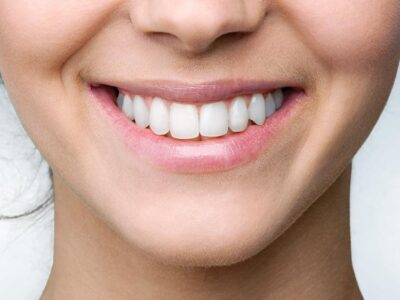
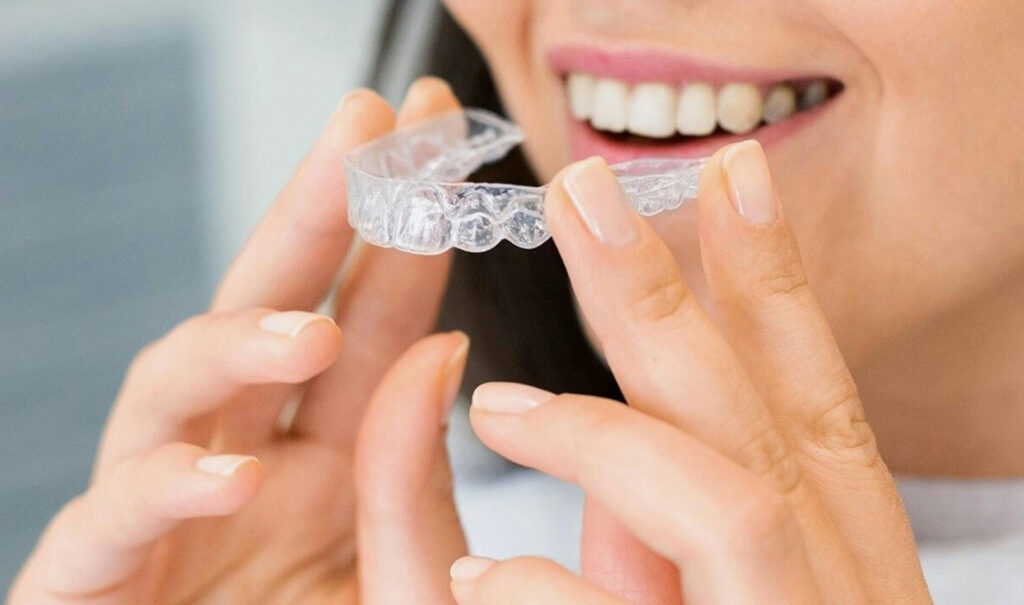
Yes, Invisalign can close gaps between teeth, and in many cases it does so very well. Small spaces often respond beautifully to clear aligner treatment. Moderate spacing can also be corrected if the teeth, bite, and gum support allow for safe movement. Where people get into trouble is assuming every gap is the same. It is not. A tiny space between the front teeth behaves differently from multiple gaps across the arch, and both are different again from spacing caused by gum disease, missing teeth, or an imbalanced bite.
That distinction matters because the question is not only whether Invisalign can move teeth together. It can. The real question is whether closing the gap is stable, healthy, and proportionate to the rest of the smile.
I have seen patients come in focused on one visible space, usually between the upper front teeth, only to learn that the gap is really a symptom. Sometimes the tongue presses forward when they swallow. Sometimes the frenum, the small fold of tissue above the front teeth, contributes to the space. Sometimes the back teeth do not fit together properly, and the front teeth have flared as a result. If you only chase the gap without understanding why it is there, the result may relapse or create a different problem.
What kinds of gaps can Invisalign treat?
Spacing is one of the more predictable things clear aligners can correct. Teeth can be guided into better positions through a series of small, controlled movements. When there is room to work with and the roots are healthy, aligners are often an excellent option.
The most straightforward cases involve mild to moderate spacing. That might mean a single small diastema between the front teeth, a few generalized spaces spread around the arch, or leftover gaps after prior dental work or minor shifting. In these cases, Invisalign trays can apply steady pressure and close the space over time, often with very natural-looking progress.
Larger or more complex gaps can still be treatable, but they need closer planning. If the space is wide, the teeth may need to tip and then be uprighted so the crowns and roots end in the correct position. That is where digital planning helps, but digital planning alone is not enough. The clinician has to think beyond the animation. Teeth are not just white rectangles sliding across a screen. They are attached to bone, surrounded by gums, and influenced by bite forces every day.
A simple example makes this clearer. If two front teeth are separated by 2 millimeters, closing that space may be fairly direct. If the same space is 4 to 5 millimeters and the front teeth are already flared forward, a cosmetic closure without root control can leave the teeth looking bulky or unstable. The final appearance depends on root position, tooth shape, gum contour, and facial balance, not just whether the visible space disappears.
Why gaps happen in the first place
Spacing can be genetic, developmental, or functional. Some people naturally have smaller teeth relative to the size of their jaw. Others develop spaces because of habits, missing teeth, gum disease, or changes in bite over time. Children and teenagers may show gaps as part of normal eruption, while adults often notice them after gradual shifting.
A gap between the front teeth can appear when the lateral teeth are undersized, when the bite pushes the incisors forward, or when the soft tissue attachment between the front teeth is prominent. Patients are sometimes surprised to hear that a gap can come back even after it has been closed neatly. That is especially true if the underlying cause, such as a tongue thrust or unstable retainer wear, is not addressed.
Periodontal health deserves special attention here. If gum disease has weakened the supporting bone, teeth can drift apart and create new spaces, especially in adults who never had spacing when they were younger. In that setting, the gap is not just a cosmetic issue. It can be a warning sign. Invisalign may still be part of treatment, but only after the gum condition is stabilized and monitored carefully.
How Invisalign actually closes a gap
The mechanics are straightforward in principle and nuanced in practice. Each aligner is shaped to be slightly different from the last. As you move from one tray to the next, the teeth follow those programmed changes. To close a space, aligners usually bring teeth toward each other in small increments, often fractions of a millimeter at a time.
For front teeth, a clinician may add attachments, the small tooth-colored bumps bonded to the teeth, to improve grip and control. Attachments help the trays apply force more precisely. In some spacing cases, tiny elastic chains or other adjuncts may be used, though many simple gap cases do not need them.
The critical issue is not just bringing crowns together. Teeth have roots, and roots matter. If the crowns lean in while the roots stay apart, the visible gap may seem closed but the finish is not ideal. This can affect stability and appearance. Good Invisalign planning aims to move the roots into a sound position as well, which may add time but usually produces a better result.
There is also the matter of tooth shape. Some teeth are naturally triangular, wider at the biting edge and narrower near the gumline. When such teeth are moved together, a dark space can remain near the gums even after the contact points meet. Patients often call these “black triangles.” They are not true gaps in the same sense, but they are a common aesthetic concern after space closure. A careful provider should discuss that possibility before treatment starts.
When Invisalign works especially well
Invisalign tends to perform well for patients with healthy gums, mild to moderate spacing, and good compliance. If you wear the aligners as directed, often around 20 to 22 hours a day, treatment can be smooth and predictable. The removable design is especially appealing to adults who want a discreet option for work, social settings, or photos.
Small gaps in the front are among the most gratifying cases because the change is visible and often relatively quick. A patient may notice improvement in a matter of weeks, even though full treatment takes longer. Those early wins help with motivation. I have seen people who spent years smiling with closed lips suddenly relax in photos once the front spacing began to shrink.
Spacing across multiple teeth can also respond nicely if the arch form and bite are planned properly. In some of these cases, treatment is not only about aesthetics. Closing food traps between teeth can make daily hygiene easier and reduce irritation from food packing.
Where the limits show
Not every gap should be closed with aligners alone. If spacing exists because teeth are too small relative to the jaw, simply pushing everything together may create odd proportions. The smile can end up looking compressed, or the front teeth may contact in a way that does not suit the face. In those cases, the better result may come from a combined plan that includes Invisalign and cosmetic bonding or veneers to refine tooth width and shape.
Missing teeth add another layer of complexity. If a patient has a space from an extracted or congenitally missing tooth, the decision is not simply “close it or do not close it.” The provider has to decide whether to redistribute space for an implant or bridge, or close the space orthodontically if the bite allows. Both are legitimate approaches, but they have different long-term implications.
Severe bite problems can also stretch the limits of clear aligners. Invisalign has become far more capable than it was years ago, but some movements remain technique-sensitive. Large root movements, major rotations, vertical discrepancies, and skeletal issues may require a more advanced orthodontic strategy. Sometimes aligners still play a role, but they may not be the only tool.
Then there is the patient factor. Clear aligners only https://paxtonafxr419.brightsora.com/posts/invisalign-for-gap-teeth-a-clear-solution work when they are worn. Someone who leaves the trays out for half the day because of frequent snacking, social events, or simple forgetfulness may see slow progress and poor tracking. In office conversations, this comes up more than people expect. The idea of a removable appliance sounds convenient until real life gets involved.
How long does it take to close gaps with Invisalign?
There is no single timeline, but many straightforward spacing cases fall somewhere between 6 and 18 months. Very small front gaps may improve faster, while broader spacing, bite correction, or root control can extend the timeline. Refinement trays are common, so the initial estimate is not always the final total.
For a single small diastema, a patient might see the space nearly closed in 3 to 6 months, but continue a bit longer to settle the bite and perfect alignment. More comprehensive cases, especially those involving both upper and lower arches, usually take closer to a year or more.
That range frustrates some patients at first, especially when the problem looks “small.” What they are seeing is the visible space. What the orthodontic plan is managing may include torque, overbite, contact points, and coordination between the upper and lower teeth. The finish takes longer than the first visible improvement.
The role of attachments, polishing, and refinements
One of the reasons Invisalign results vary is that finishing details matter. Attachments are often part of that. They are not a sign that something has gone wrong. They are one of the ways clinicians gain better control over movement.
Polishing or reshaping, sometimes called interproximal reduction when used between teeth, can also be part of gap treatment, though less often than in crowding cases. In spacing cases, tiny enamel adjustments may help create more ideal contact points or reduce the appearance of black triangles. These changes are measured conservatively, but they can make a visible difference.
Refinements are also common. Many patients think of aligner treatment as a fixed number of trays followed by the end. In reality, teeth do not always move exactly as planned. A front tooth may lag behind. A space may close unevenly. The bite may need a final adjustment. Refinement trays are normal, not a failure. They are often what separate an acceptable result from a polished one.
What if the gap is caused by a large frenum?
Patients often ask whether a frenum has to be removed before Invisalign can work. The answer depends on the case. A prominent frenum can be associated with a midline gap, but not every visible frenum is the reason the teeth are apart. Sometimes the gap closes well without surgical intervention and remains stable with proper retention. Other times, especially when there is a very fibrous tissue attachment or a history of relapse, a frenectomy may be recommended as part of the overall plan.
Timing matters. Some clinicians prefer to close the space orthodontically first and then reassess the tissue. Others will recommend earlier intervention in selected cases. What should not happen is an automatic, one-size-fits-all decision. Tissue anatomy, age, spacing pattern, and relapse history all matter.
Adults, teenagers, and relapse
Teenagers generally have more adaptable tissues and often move efficiently with aligners, though they still need supervision and compliance. Adults can do extremely well with Invisalign, but they are more likely to bring in complicating factors such as older dental work, worn teeth, gum recession, or a history of shifting after past braces.
Relapse is especially important in gap cases. Teeth that had spacing once often show a tendency to reopen if retention is inconsistent. The classic example is the front diastema that looks perfect at debond or at the end of aligners, then slowly reappears over months because the retainer is not worn as prescribed.
Retention is not an afterthought here. It is part of treatment.
A fixed bonded retainer behind the front teeth is often considered for gap closure, particularly in the lower front and sometimes for the upper front as well. Removable retainers are also common and may be used alone or alongside bonded retention. The right approach depends on hygiene habits, bite, and the pattern of the original spacing.
Cosmetic closure versus ideal closure
This is where professional judgment really shows. Some patients want the fastest way to get rid of a visible gap before a wedding, job change, or milestone event. Others want the most ideal, stable, textbook finish possible. These goals overlap, but they are not always identical.
A cosmetic closure focuses on the visible smile line and may accept some compromises if the case is time-sensitive and the bite is otherwise serviceable. An ideal closure aims for excellent root position, balanced contacts, refined bite relationships, and long-term stability. Most people benefit from something closer to the second approach, even if it takes longer.
That said, treatment should fit the person. A patient with a 1 millimeter front gap who mainly wants photos without the space may not need the same level of intervention as someone with widespread spacing, black triangles, and bite discrepancies. Good care is individualized care.
Questions worth asking at a consultation
A consultation for spacing should go beyond “Can you close it?” The better questions uncover whether closing it is likely to look right, feel right, and last.
- Why did this gap develop in the first place?
- Will the roots move into the right position, not just the crowns?
- Is there a risk of black triangles or uneven tooth proportions?
- Will I need bonding, a frenectomy, or other additional treatment?
- What retention plan will keep the space from returning?
Those five questions often change the quality of the conversation. They push treatment planning beyond a marketing promise and toward a practical plan.
What treatment can feel like day to day
Most patients describe aligner pressure rather than pain. When a tray change is doing active work on a gap, especially the front teeth, the pressure can feel surprisingly noticeable for a day or two. Speech may be slightly different at first, though most people adapt quickly. If attachments are placed, the teeth can feel rough when the trays are out.
Eating is one of the hidden challenges. Because aligners must be removed for meals and most drinks besides water, people who graze throughout the day sometimes struggle more than they expect. It is not a reason to avoid Invisalign, but it is one of those practical details that rarely shows up in glossy before-and-after posts.
Hygiene usually improves if the patient is motivated. Because the trays come out, brushing and flossing are easier than with fixed braces. That said, aligners trap whatever is on the teeth. If a patient puts trays back in after coffee or a snack without cleaning up, plaque control suffers. Good habits matter.
Cost, value, and what you are really paying for
The cost of Invisalign for gap closure varies by region, provider experience, and case complexity. A small cosmetic case may cost much less than a comprehensive orthodontic plan involving both arches, multiple refinements, and retention. It is tempting to compare prices on the basis of tray count or advertising offers, but that misses the point.
You are not mainly paying for plastic. You are paying for diagnosis, planning, monitoring, adjustments, and the judgment to know when not to accept an easy-looking fix. A provider who can explain why your spacing exists, what compromises are possible, and how the result will be retained is usually offering more value than a lower quote attached to a generic plan.
Cases that often benefit from a combined approach
Sometimes the best aesthetic result comes from combining Invisalign with restorative treatment. A patient with narrow lateral incisors and a central gap may close part of the space orthodontically, then have bonding added to create better tooth proportions. This often looks more natural than forcing all the spacing shut orthodontically.
Similarly, if black triangles are likely, slight enamel contouring or bonding can soften their appearance after alignment. In adults with worn edges, a restorative dentist may also refine incisal shape after the teeth are repositioned. These are not signs that Invisalign “failed.” They are signs that smiles are three-dimensional and interdisciplinary care can produce a better finish.
So, can Invisalign close gaps between teeth?
Yes, often very effectively. For the right patient, Invisalign can close spaces, improve smile symmetry, reduce food traps, and do it with far less visibility than braces. The strongest results happen when treatment starts with a proper diagnosis, not just a cosmetic wish. Spacing looks simple from the outside, but the cause of the gap, the position of the roots, the shape of the teeth, the condition of the gums, and the retention plan all affect the final outcome.
If your gap is small and your teeth are healthy, Invisalign may be a straightforward solution. If the spacing is larger, recurrent, or tied to gum disease, missing teeth, or tooth shape issues, the path is still possible, but it needs a more careful design. The visible space may be the reason you book the consultation. The deeper reason it formed is what determines whether the result will truly hold.
Omni Dental Specialty
Address: 1690 E Gonzales Rd, Oxnard, CA 93036
Phone number: +18053666000
FAQ About Invisalign
How much does Invisalign actually cost?
The out-of-pocket cost for Invisalign typically ranges between $3,000 and $8,000, with most patients paying a national average of roughly $5,100 to $5,700 before insurance.
What is the downside to Invisalign?
The biggest downsides to Invisalign are the intense discipline required to wear the trays 22 hours a day, the inconvenience of removing them to eat or drink, and the inability to fix severe, complex orthodontic issues.
Is $5000 a lot for Invisalign?
No, $5,000 is not considered a lot for Invisalign; it is exactly the national average. Treatment costs typically fall between $3,000 and $8,000, and $5,000 is the standard fee for a moderately complex case that takes 6 to 18 months to complete.